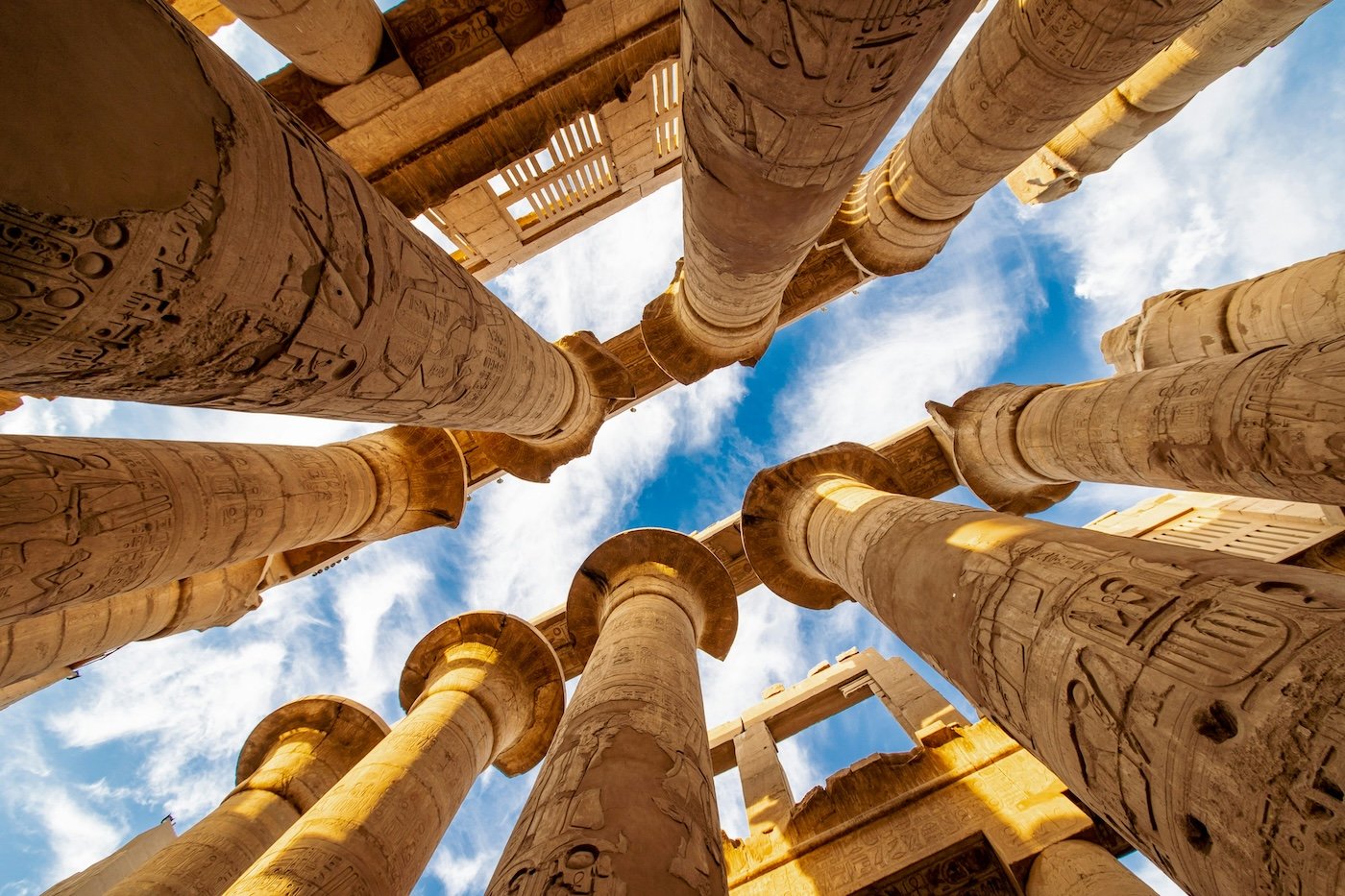
Karnak Temple is the largest religious complex ever constructed, spanning over 200 acres in the heart of Luxor. To truly absorb its history, we suggest arriving at 6:00 AM to explore the Great Hypostyle Hall before the crowds. This measured approach allows you to discover the quiet majesty of ancient Egyptian architecture and find a genuine connection to the past.
Navigating the vastness of the Precinct of Amun-Ra
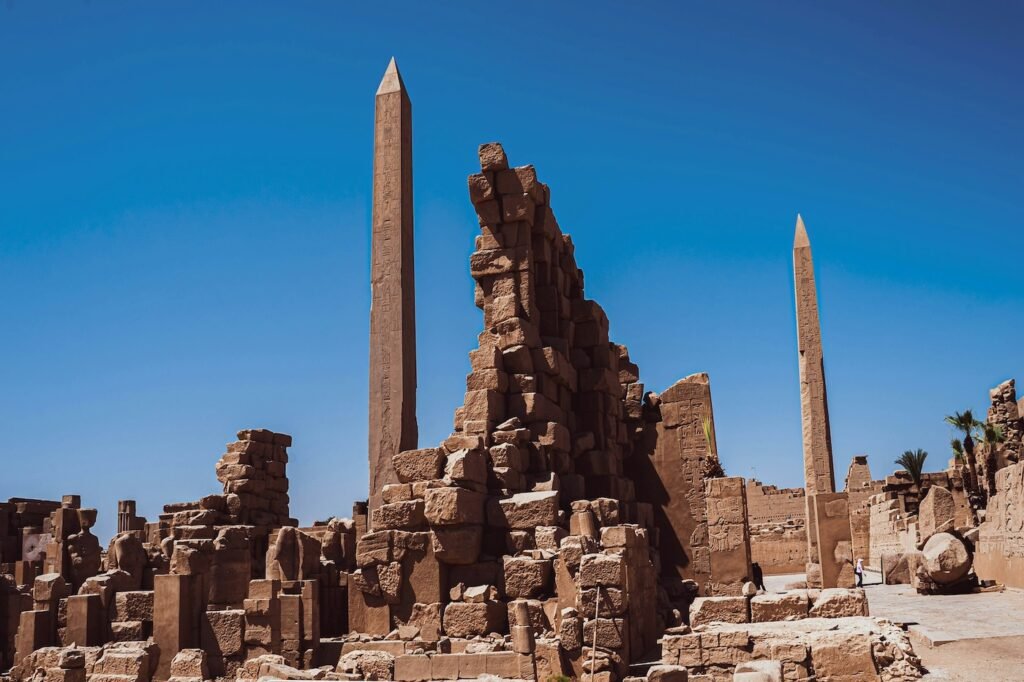
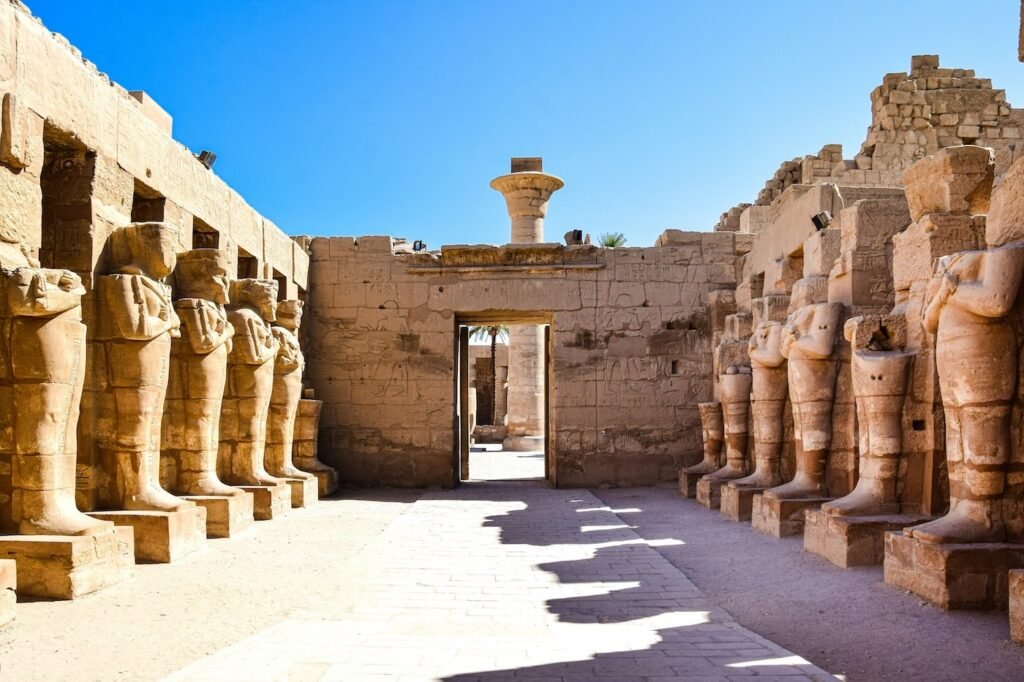
The scale of Karnak can be daunting for those who visit without a clear structure. It is not a single building but a sprawling landscape of pylons, chapels, and towering obelisks.
Most travelers find that focusing on the Precinct of Amun-Ra provides the most significant cultural return. This central area contains the most iconic structures and the most well-preserved reliefs from the New Kingdom.
Selecting a path of discovery
Rather than attempting to see every corner of the 200-acre site, we suggest a curated path. This allows you to linger at the most significant monuments without the fatigue of a rushed itinerary.
-
The First Pylon and the Great Court
-
The Great Hypostyle Hall
-
The Obelisks of Thutmose I and Hatshepsut
-
The Sacred Lake and the Botanical Garden
Understanding the architectural layers
Karnak was built over 1,500 years, with each pharaoh adding their own mark to the site. You are not looking at a static monument but a living record of Egyptian history.
We believe that seeing these layers slowly helps you understand the evolution of faith and power. It is a story told in stone that reveals its secrets to those who take the time to look.
Timing your visit for a sense of privacy
The atmosphere of Karnak changes significantly throughout the day. A site that feels crowded at 10:00 AM can feel like a private sanctuary just a few hours earlier.
We prioritize timing to ensure you experience the temple in silence. This allows the weight of the ancient stones to be felt rather than just observed.
The advantage of the early morning
Arriving as the gates open at 6:00 AM is the most effective way to avoid the cruise ship groups. The air is cool, and the long shadows of the columns create a dramatic, intimate setting.
-
Soft morning light perfect for observing high-relief carvings.
-
Lower temperatures for a more comfortable exploration.
-
Minimal noise interference for a deeper emotional connection.
The quiet of the late afternoon
If morning is not suitable, the two hours before closing offer a similar sense of peace. As the sun dips, the sandstone takes on a deep, golden hue that is particularly striking.
We find that this is the best time for those seeking the “Conscious Romantic” experience. The temple feels like a private garden where history and nature intersect at sunset.
Avoiding the midday rush
Between 9:30 AM and 1:30 PM, the temple often hosts large groups from the Red Sea and Nile cruises. We suggest using this time for a quiet lunch or a rest at your hotel.
Our “No-Rush Guarantee” means we never schedule visits during these peak windows. We believe your time is better spent in the quiet moments that others miss.
The architectural resonance of the Great Hypostyle Hall
The Great Hypostyle Hall is often considered the heart of Karnak. It contains 134 massive sandstone columns arranged in 16 rows, representing a forest of papyrus plants.
Standing in the center of this hall, you are surrounded by columns that reach up to 80 feet high. The sheer verticality of the space was designed to make the visitor feel small in the presence of the divine.
Decoding the carvings of Ramesses II
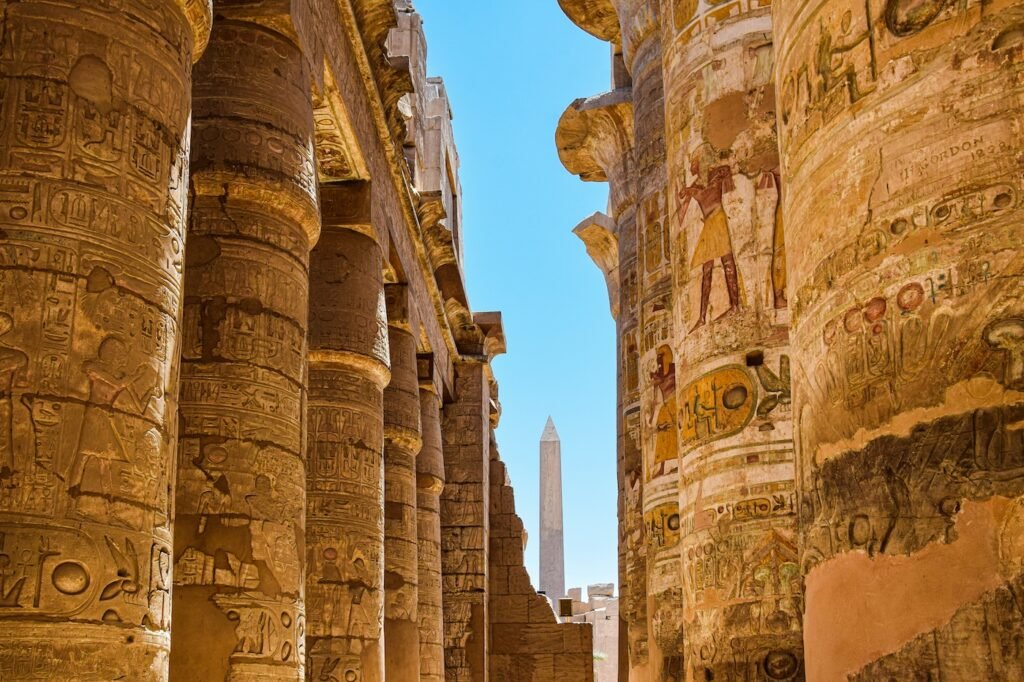
The walls and columns of the hall are covered in intricate reliefs. These depict scenes of the king making offerings to the gods and successful military campaigns in distant lands.
-
Observe the deep-cut carvings on the exterior walls designed to catch the sun.
-
Note the delicate high-relief inside, protected from the elements.
-
Look for the remaining traces of original pigment on the high architraves.
The transition from light to shadow
The hall was originally roofed, creating a dark, mysterious interior lit only by small clerestory windows. This play of light was intentional, mimicking the primeval marsh of creation.
We encourage you to stand still in the center of the hall for five minutes. Absorb the silence and the way the light cuts through the stone to highlight a single hieroglyph.
Intellectual intimacy with the builders
This isn’t just about the scale; it is about the mastery of the artisans. Each column was carefully shaped and decorated by hand over decades of labor.
We believe that understanding the effort required to build this space deepens your appreciation. It turns a sightseeing moment into a genuine intellectual engagement.
Finding intimacy within the Sacred Lake and botanical spaces
Beyond the towering pylons lies the Sacred Lake, a quiet body of water used by priests for ritual purification. It offers a different perspective on the temple complex.
The area around the lake is often much quieter than the main axis. It is a place to sit, reflect, and watch the reflections of the obelisks in the still water.
The symbolism of the water
The Sacred Lake represents the waters of Nun from which life first emerged. It was a vital part of the temple’s daily life, serving both practical and spiritual purposes.
-
Length: 120 meters long.
-
Feature: Stone-lined perimeter with steps for the priests.
-
Significance: A representation of the eternal cycle of the Nile.
Discovering the botanical carvings of Thutmose III
Nearby, the “Botanical Garden” features reliefs of exotic plants and animals brought back from the king’s campaigns in Syria. These carvings offer a rare look at the natural history of the ancient world.
We find that “The Quiet Connoisseurs” particularly enjoy this section. It reveals a side of Egyptian art that is observational and detailed rather than just monumental.
A place for family storytelling
The open spaces near the lake provide a perfect environment for families to gather. It is a place where grandparents can share the stories of the gods in a relaxed setting.
This isn’t just a trip; it is a shared journey through something timeless. We create the space for these family moments to happen naturally.
Choosing depth over speed in your itinerary
Most travel companies attempt to combine Karnak with Luxor Temple and several other sites in a single day. We believe this approach leads to a “manufactured” experience that lacks meaning.
We advocate for “The No-Rush Guarantee,” where we visit fewer sites but spend more time at each. This allows you to remember the feeling of the stone, not just the name of the king.
Comparison of Exploration Styles
| Feature | Standard Tour | Fancy Tours Approach |
| Pace | Rushed, timed stops | Slow, measured, quiet |
| Timing | Midday with crowds | Early morning or late afternoon |
| Focus | General facts and dates | Cultural depth and details |
| Privacy | Part of a large group | Private or small intimate groups |
| Atmosphere | Active and noisy | Reflective and intimate |
Why we linger at the White Chapel
The White Chapel of Senusret I, located in the Open Air Museum, is a masterpiece of Middle Kingdom art. Many visitors skip it because it is slightly off the main path.
By moving slower, we ensure you see these “hidden” gems. The quality of the limestone carving here is among the finest in the world, showing a delicacy that the larger pylons lack.
The success of a measured journey
Success for us is when you return home with a clear memory of a specific moment. Perhaps it was the silence of the sanctuary or the way the light hit a certain obelisk.
These are the moments that can’t be Instagrammed. They are personal transformations that happen when you allow yourself the time to absorb and discover.
Seamless logistics for a stress-free experience
For the luxury-oriented traveler, the quality of the journey is as important as the destination. We remove the friction of travel so you can remain in a state of quiet discovery.
From private transport to curated refreshments, every detail is handled with “Invisible Luxury.” We care more about your comfort than our own ego.
Private transport and arrival
We utilize modern, climate-controlled vehicles for all transfers. Your driver will meet you at your hotel at the precise time requested, ensuring a seamless transition to the temple gate.
-
Door-to-door service without wait times.
-
Knowledgeable drivers who understand the local rhythms.
-
Chilled water and cooling towels provided for your return.
Navigating the entrance with ease
We handle all ticketing and security protocols in advance. You won’t spend your morning standing in lines or navigating crowds at the visitor center.
Our guides act as a shield, ensuring you are not interrupted by unauthorized vendors. This allows you to maintain your privacy and focus on the ancient landscape.
Sustainable and respectful engagement
We believe in supporting the local community and protecting the monuments. Our tours are designed to be respectful of the site’s fragile nature and its cultural significance.
This is Egypt as it was meant to be discovered. It is a return to the style of travel that made early explorers write poetry about the Nile.
The value of academic expertise in your discovery
A guide at Karnak is more than just a navigator; they are a “Human Library.” They provide the intellectual framework that allows the stones to speak.
We select our experts for their passion and their ability to connect person-to-person. This is the antidote to the dry, corporate-style tours offered by larger operators.
Moving beyond the basics
Anyone can tell you that an obelisk is tall. Our experts will explain how the ancients moved it from Aswan and what the inscriptions reveal about the pharaoh’s relationship with the gods.
-
In-depth knowledge of hieroglyphic translation.
-
Understanding of the theological shifts between dynasties.
-
Ability to answer complex questions about construction and art.
Tailoring the conversation to you
If you are an enthusiast of architecture, we will focus on the engineering of the pylons. If you prefer the human story, we will focus on the lives of the priests who lived here.
This is “Intellectual Intimacy.” It is the freedom to linger at a specific carving and engage in a conversation that challenges your assumptions about the past.
A friend who knows everything
Think of our guides as the friends who know everything but don’t show off. They are there to support your discovery, not to dominate your experience.
We believe that genuine connection comes from these shared moments of learning. It is what makes your visit to Karnak truly authentic and unforgettable.
Expectation management for a respectful visit
To get the most out of Karnak, it is important to understand the environment. The temple is a site of active archaeology and a place of immense historical weight.
We believe in honest trade-offs. To see the best sites in the best light, you must be willing to adjust your schedule and move with a sense of purpose.
Managing the desert environment
Luxor is a desert city. Even in the morning, the sun can be intense and the air very dry. We suggest coming prepared with the right mindset and equipment.
-
Wear breathable, natural fabrics like linen or cotton.
-
Use a wide-brimmed hat for personal shade in the open courts.
-
Take frequent breaks in the shade of the massive columns.
Respecting the ancient stone
The monuments are fragile. While it is tempting to touch the reliefs, the oils from our skin can cause long-term damage to the stone and the pigments.
We ask our guests to move with a “Gentle Rebel” spirit. Challenge the standard tourist behavior by being the one who looks with their eyes and protects with their actions.
What success looks like
You will leave Karnak feeling a sense of awe, but also a sense of clarity. You will have a deeper understanding of the human drive to create something that lasts forever.
This is the kind of travel that stays with you. If you’re ready to design your own story on the Nile, let’s talk about your journey.
Frequently Asked Questions
What is the best time of day to visit Karnak?
The most quiet and comfortable time is at 6:00 AM when the site opens. This allows you to see the Great Hypostyle Hall before the heat and the large cruise ship groups arrive. The late afternoon, two hours before sunset, is also a beautiful and peaceful time to explore.
How long does a thorough visit to Karnak take?
A measured visit that allows for discovery and reflection typically takes 3 to 4 hours. This provides enough time to explore the main axis, the Sacred Lake, and the Open Air Museum without feeling rushed.
Is Karnak Temple wheelchair accessible?
The main paths through the temple are mostly flat and composed of packed sand or gravel. Many areas are accessible, though some smaller chapels and the interior of certain pylons have high stone thresholds. We can design a route that prioritizes accessibility while still offering a deep experience.
What should I wear when visiting Karnak?
We recommend light-colored, breathable clothing made of natural fibers. Sturdy walking shoes are essential as the ground is uneven. A hat and sunglasses are highly recommended, as much of the temple complex is open to the sun.
Can I take photos inside the temple?
Yes, photography with a mobile phone is generally permitted for personal use. However, flash is often prohibited to protect the remaining pigments on the stone. If you wish to use professional equipment or a tripod, a special permit may be required at the entrance.
Is it necessary to have a guide for Karnak?
While you can walk through the site alone, the lack of signage makes it difficult to understand the historical context. A private guide acts as a “Human Library,” providing the intellectual depth and insider access that turns a walk into a meaningful discovery.
We believe the Nile reveals its secrets slowly. If you’re ready to discover what happens when you stop rushing, let’s talk about your journey.
This isn’t the Egypt of tour buses and timed photo ops. If you’re craving the kind of connection that lingers long after you return home, we’d love to help you design your story on the water.